Together We Shine: What Asian Ensemble Culture Can Teach a Lonely America About Belonging
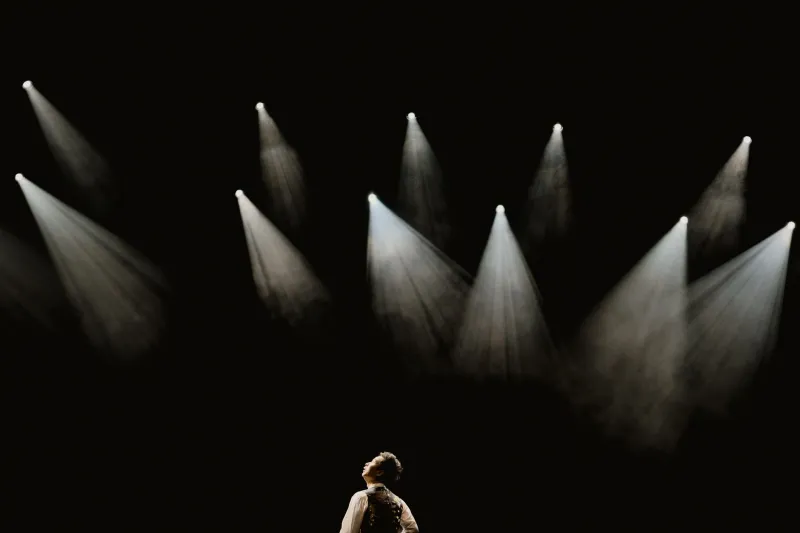
The U.S. Surgeon General didn't mince words when he declared loneliness a public health epidemic in 2023. Millions of Americans report feeling disconnected, unseen, and quietly adrift — even in cities packed with people, even with hundreds of social media followers, even at the office. We have more ways to communicate than ever before, and somehow, we've never felt further apart.
Meanwhile, on the other side of the world — and increasingly in the Asian American communities woven into the fabric of cities like Los Angeles, New York, and Houston — a different social architecture has been quietly humming along for centuries. It's built not on individual brilliance, but on the kind of deep, practiced interdependence that makes a group feel like a single breathing organism.
Welcome to the world of Asian ensemble culture. And yes, it might just be what America needs right now.
More Than a Group — A Living System
In the West, we tend to celebrate the soloist. The MVP. The founder. The breakout star. Even when we talk about teams, we secretly rank the contributors. Someone is always the lead.
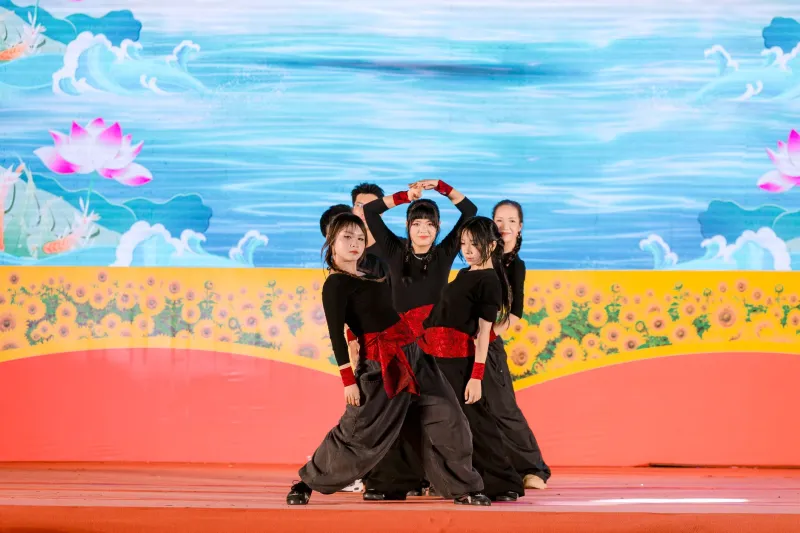
Traditional Asian performance arts operate on an entirely different logic. Take Peking Opera, one of China's most storied art forms. A Peking Opera troupe isn't just a collection of talented individuals — it's a finely tuned ecosystem where every role, from the lead sheng to the supporting chou clown character, carries equal ceremonial weight. Performers train together for years, sometimes decades. The goal isn't personal glory; it's collective precision. A single missed cue affects everyone. A single moment of selfishness breaks the spell.
The same philosophy shows up in Japanese Noh theater, where the ensemble includes not just performers but musicians, chorus members, and stagehands who have trained within the same tradition for generations. There's even a term in Japanese performance culture — ma — that refers to the meaningful pause, the space between actions. That space only works when everyone trusts everyone else to hold it. You can't fake that kind of cohesion. You have to build it, slowly, through shared practice and mutual reliance.
K-Pop's Secret Ingredient Isn't Talent — It's We
If you want a more contemporary example, look no further than the K-pop machine, which American audiences have been enthusiastically consuming for over a decade now. Groups like BTS, BLACKPINK, and NewJeans aren't successful just because of catchy hooks or elaborate choreography. The secret sauce is the group dynamic itself — and fans feel it.
K-pop groups train together for years before debut, often living in shared dormitories, eating the same meals, navigating the same frustrations. By the time they hit the stage, the connection between members isn't performed — it's real. Fans don't just stan individual members; they stan the relationship between members. The inside jokes, the protective gestures, the way one member instinctively covers for another mid-performance. That web of mutual care is the product, as much as any song.
This resonates deeply with American fans who are, perhaps unconsciously, hungry for a model of closeness they're not finding in their own lives. You don't just watch a K-pop group perform — you watch a group of people who genuinely need each other. And that's quietly radical in a culture that prizes independence above almost everything else.
The Workplace Connection
It's not just performance arts where this philosophy lives. Traditional Asian business structures — particularly in Japan, South Korea, and China — have long emphasized collective accountability over individual achievement. The Japanese concept of nemawashi, the process of building consensus slowly and carefully before making a decision, might drive Western executives crazy with its pace. But it produces something precious: buy-in. Genuine, across-the-board commitment, because everyone was part of the process.
Compare that to the American model, where decisions often cascade down from the top, leaving employees feeling like interchangeable parts rather than integral contributors. Is it any wonder workplace loneliness — yes, that's a real and documented phenomenon — is at an all-time high?
Some American companies are taking notes. There's a growing movement in progressive workplaces toward flat hierarchies, rotating leadership, and what organizational psychologists are calling "relational work" — the deliberate investment in the human bonds between colleagues, not just the outputs they produce. It's a slow shift, but it's happening. And Asian collaborative models are increasingly cited as inspiration.
What Belonging Actually Feels Like
Here's the thing about genuine ensemble culture that's hard to replicate with a ping-pong table or a Friday happy hour: it requires sustained vulnerability. You have to show up imperfect, accept help, and trust that the group will catch you when you stumble. That's terrifying for a lot of Americans who've been conditioned to project confidence and self-sufficiency at all costs.
But ask anyone who's been part of a real ensemble — a community choir, a martial arts dojo, a tight-knit theater company — and they'll describe it the same way: like being known. Not just liked, not just appreciated for what you produce, but genuinely known by the people around you.
Asian American community organizations have long understood this. Lion dance troupes in San Francisco's Chinatown. Taiko drumming groups in the Pacific Northwest. Filipino folk dance companies in Chicago. These aren't just cultural preservation projects — they're loneliness antidotes, functioning as extended family for people who might otherwise be isolated in a country that doesn't always make belonging easy.
Finding Your Ensemble
You don't need to join a Peking Opera troupe to absorb this lesson (though honestly, don't rule it out — many cities have beginner programs and they are incredible). The deeper takeaway is about the quality of interdependence you're cultivating in your own life.
Are you investing in relationships where you genuinely need each other, or just relationships of convenience? Are you part of any group that practices something together over time — a skill, a ritual, a shared responsibility? Do the people around you know your weak spots, and do you know theirs?
Those are the conditions that ensemble culture creates. Not accidentally, not as a side effect — but as the whole point.
America has produced extraordinary individual stars. But right now, what it might need most is to learn how to play in harmony. Asian collaborative traditions have been rehearsing that particular art for a very long time. The invitation to join in has always been open.
It's never too late to find your troupe.