From Ginseng to Glow: Why Chinese Beauty Is the New Holy Grail for American Skin
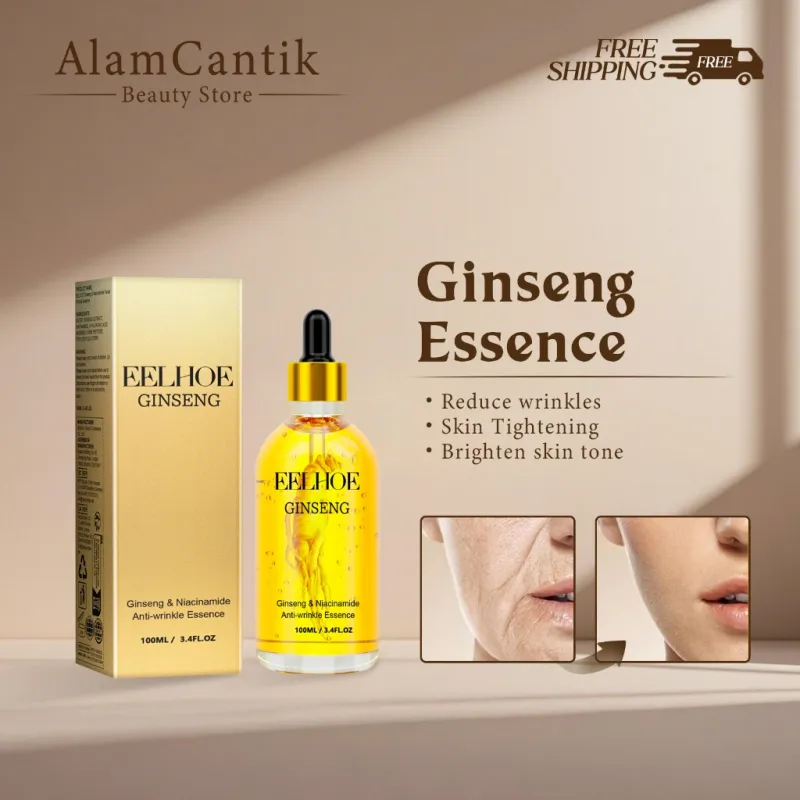
Photo: Chinese skincare beauty products ginseng pearl powder serum Asian woman glowing skin, via down-id.img.susercontent.com
For the better part of a decade, Korean skincare had an unshakeable grip on the American beauty conversation. The 10-step routine, sheet masks, snail mucin — K-Beauty gave American consumers a whole new vocabulary for self-care. But walk through any Sephora, scroll through BeautyTok, or peek inside the skincare bag of your most wellness-obsessed friend right now, and you'll notice something shifting. A quieter, older, and arguably deeper beauty tradition is starting to make serious noise: Chinese beauty, or what the industry is calling C-Beauty.
And it's not just a trend. It's a full-on pipeline.
The Ancient Ingredient Comeback
Let's start with what's actually in these products, because that's where the real story lives.
Ingredients like ginseng, pearl powder, tremella mushroom (sometimes called snow fungus), and licorice root extract have been staples of Traditional Chinese Medicine (TCM) for thousands of years. What's new is that American consumers — increasingly skeptical of synthetic chemicals and hungry for "clean" alternatives — are finally catching up to what Chinese herbalists and beauty practitioners have known forever.
Pearl powder, for instance, has been used in Chinese skincare since the Tang Dynasty. Empress Wu Zetian reportedly used it daily. Today, brands like Herborist and Proya are reformulating it into silky serums and brightening treatments that are landing on shelves in the US and getting five-star reviews from consumers who had never heard of it two years ago.
Ginseng, long celebrated in both Chinese and Korean traditions for its adaptogenic properties, is now being positioned by C-Beauty brands not just as an anti-aging powerhouse but as a stress-response ingredient — a framing that resonates deeply with a post-pandemic American audience that understands, on a gut level, what chronic stress does to skin.
"People are exhausted and their skin shows it," says one Los Angeles-based esthetician who has started incorporating C-Beauty products into her client treatments. "When I explain that ginseng literally helps your skin adapt to stress at a cellular level, they get it immediately. That's the conversation we're having now."
The Entrepreneurs Leading the Charge
The C-Beauty boom in America isn't happening by accident. A new generation of Chinese-American beauty entrepreneurs is doing the hard work of translating both the ingredients and the cultural philosophy behind them for Western audiences.
Take brands like Youthforia, founded by Fiona Chan, which blends clean beauty sensibilities with an aesthetic that feels distinctly rooted in Asian minimalism. Or Eadem, co-founded by Alice Lin Glover and Michelle Ranavat, which centers melanin-rich skin using ingredients with deep roots in Asian botanical traditions. These founders aren't just selling skincare — they're building bridges between centuries of Chinese wellness wisdom and the modern American consumer's desire for products that actually mean something.
On social commerce platforms like TikTok Shop and Instagram, Chinese-American beauty creators are gaining serious traction by doing what K-Beauty influencers did in the early 2010s: demystifying the ingredients, showing real results, and making the ritual feel accessible rather than intimidating. A video explaining how tremella mushroom holds 500 times its weight in water (outperforming hyaluronic acid in some studies) can rack up millions of views overnight because the science is genuinely fascinating.
C-Beauty vs. K-Beauty: Is It a Competition?
Here's a nuance worth sitting with: the K-Beauty-to-C-Beauty narrative doesn't have to be a rivalry. Many of the ingredients that made K-Beauty famous — yes, including snail mucin and fermented ingredients — have deep roots in broader East Asian medicinal traditions, including Chinese ones. The lines are blurry, and that's actually a beautiful thing.
What C-Beauty is doing differently is leaning harder into the philosophy of internal-external harmony. In TCM-influenced beauty, the idea is that glowing skin isn't just a topical achievement — it's a reflection of internal balance. That means C-Beauty brands are increasingly marketing holistic systems: a serum paired with a dietary supplement, a face mask meant to be used during a specific phase of the lunar calendar, a jade roller ritual tied to meridian points.
For American wellness consumers who have already gone deep on gut health, sleep optimization, and adaptogens in their lattes, this whole-body framing feels like a natural next chapter.
Where to Find It Right Now
C-Beauty is no longer a niche hunt. Ulta Beauty has been expanding its Asian beauty section. Amazon's beauty storefront features dozens of Chinese brands that have earned cult followings. And specialty retailers like Yesasia and Yamibuy have made it easy to access products that haven't yet made it to mainstream US shelves.
For those who want to start somewhere, dermatologists and beauty editors are pointing to a few hero ingredients as entry points: a ginseng-infused eye cream for puffiness, a tremella mushroom hydrating serum for dry winter skin, or a licorice root brightening toner for hyperpigmentation concerns.
The glow-up is real. And it's been waiting in a Chinese apothecary for about 2,000 years.
The Bigger Cultural Shift
Maybe what's most significant about the C-Beauty moment isn't the ingredients or the sales figures — it's what it says about American culture right now. There's a genuine openness, especially among younger consumers, to look beyond European beauty standards and Western pharmaceutical approaches to skincare. Asian beauty traditions, whether Korean, Chinese, Japanese, or Ayurvedic, offer something that a lot of people feel mainstream beauty has been missing: depth, history, and a sense that beauty is connected to something larger than a 30-second morning routine.
At 秀舞台 XiuStage, we've been watching this shift with a lot of excitement. The stage is set. C-Beauty is stepping into the spotlight — and the audience is ready.