Never Finished, Always Better: How Asia's 'One More Time' Philosophy Is Quietly Dismantling American Done Culture
There's a particular kind of anxiety that lives inside the American productivity machine. It's the pressure to ship the project, close the loop, check the box — and then immediately pivot to whatever comes next. Done is good. Done is progress. Done is the whole point.
But somewhere between the Pomodoro timers and the hustle-culture highlight reels, a different idea is quietly taking root. It's arriving through K-pop rehearsal footage, Japanese classical dance studios, and the practice philosophy of Chinese concert pianists. And it's asking a genuinely uncomfortable question: what if "done" is actually where the real work begins?
The Encore Isn't the Ending — It's the Opening
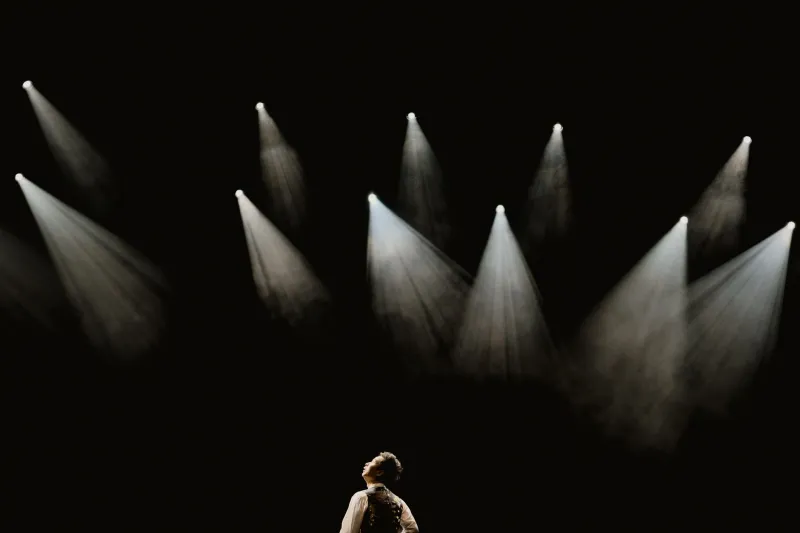
In Asian performance traditions, the concept of an encore carries a meaning that runs deeper than American audiences typically recognize. When a Chinese opera performer steps back onstage after a standing ovation, or when a Korean idol group runs a choreography set for the forty-seventh time in a single afternoon, the gesture isn't about crowd-pleasing. It's a philosophical commitment — a declaration that this particular iteration of the work still has room to breathe, to open, to improve.
The Japanese have a word for this orientation: kaizen, which translates loosely as "continuous improvement." Originally applied to manufacturing processes, it has long been embedded in artistic culture across East Asia. The idea is deceptively simple: every performance, every product, every interaction is a prototype. Nothing graduates to "final form."
For Americans raised on the dopamine hit of completion, this can feel almost threatening. We celebrate launches. We throw parties when the manuscript gets turned in. We share LinkedIn posts the moment the app goes live. The cultural reward system is engineered around the finish line — not the laps that follow it.
What K-Pop Rehearsal Culture Is Actually Teaching Us
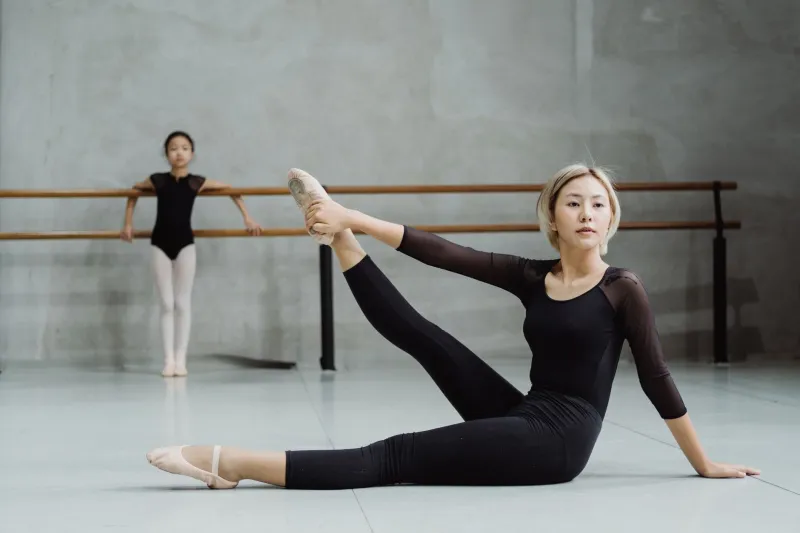
If you've spent any time in the corners of social media where K-pop fans congregate, you've probably seen the practice videos. Hours of footage showing idol groups — some already globally famous, some with sold-out stadium tours under their belts — returning to the rehearsal room to drill the same eight-count sequence until it reaches a standard that, to most outside observers, already looked flawless three hours ago.
What's striking isn't the discipline itself. American athletes train hard too. What's striking is the attitude toward the gap between current and ideal. In a lot of Western performance contexts, that gap is a source of shame — something to be minimized, hidden, or apologized for. In the training culture that produces groups like BTS, BLACKPINK, or aespa, the gap is treated as interesting. It's data. It's the next conversation between the performer and their craft.
That reframe is subtle but profound. When the gap becomes curious rather than shameful, you stop running from it. You start running toward it.
American Creatives Are Starting to Notice
Talk to working musicians, designers, or startup founders in cities like Los Angeles, New York, or Austin, and you'll increasingly hear a language that sounds less like Gary Vee and more like a Confucian scroll. Phrases like "iterative refinement," "returning to the work," and "treating version one as a sketch" are showing up in creative conversations with new frequency.
Some of this is pragmatic — the tech industry's "fail fast, iterate often" ethos laid some groundwork. But there's a meaningful difference between Silicon Valley iteration (move fast, break things, ship the next version) and the Asian performance-rooted version. The tech model is still fundamentally linear. You iterate toward a better product that you will eventually ship and move on from. The Asian mastery model is cyclical. You return to the same work not to fix it and be done with it, but because the act of returning is the practice.
Choreographer and movement artist Lily Chen, who splits her time between Chengdu and Chicago, describes it this way: "In the West, revision feels like failure. Like you didn't get it right the first time. In the tradition I trained in, revision is the whole point. You're not going back because you messed up. You're going back because you're ready to see something you couldn't see before."
The Entrepreneurship Angle Nobody's Talking About
This philosophy is also showing up in unexpected corners of American business culture, particularly among second-generation Asian American entrepreneurs who are quietly applying a different framework to how they build and grow companies.
Rather than racing toward an exit, many describe a longer-horizon approach — one that prioritizes depth of craft over speed of scale. A second-generation Taiwanese American restaurateur in the San Gabriel Valley who has run the same noodle concept for eleven years put it plainly: "My parents would think it was embarrassing to still be 'figuring out' the broth after a decade. I think it's the whole job. The broth is never done. It's just at different stages of becoming."
That framing — stages of becoming rather than steps toward completion — represents a genuine philosophical departure from the American startup mythology of disruption, IPO, and next chapter.
Letting Go of the Finish Line
None of this means abandoning ambition or resigning yourself to endless tinkering without output. The Asian performance tradition that inspires this philosophy is not passive. It's intensely active, deeply demanding, and oriented toward genuine excellence. The difference is in what excellence means.
In the done-culture model, excellence is a state you arrive at. In the iterative mastery model, excellence is a direction you move in — perpetually, with curiosity and without the anxiety of an arbitrary endpoint.
For Americans who have spent years measuring their worth by their output, their launches, and their completed to-do lists, that's a significant mental shift. But it's one that more and more people seem genuinely hungry for. The burnout, the emptiness that follows a big achievement, the nagging sense that "done" never actually feels as good as it was supposed to — these are symptoms of a completion-obsessed culture running out of road.
The encore philosophy offers something different. Not a slower pace, necessarily. But a different relationship with the work itself — one where returning isn't retreating, repetition isn't redundancy, and the most meaningful question isn't are we done? but what do we see now that we couldn't see before?
That's a question worth asking one more time.