Open at Midnight: The Late-Night Kitchens Quietly Rebuilding America's Third Places
At 11:40 on a Friday night, the bakery on Buford Highway in Atlanta is out of the good pineapple buns. The tables are full of nurses off shift, a poker game that migrated from someone's garage, and two students splitting an egg tart and arguing about a TV show. Nobody's rushing anyone out. The ovens are still warm.
This is the scene repeating itself across American metros right now: Asian-owned eateries staying open deep into the night, and discovering that half their business was waiting for them the whole time.
The Hole in the Night
America used to have a night life that wasn't just bars. Diners ran all hours, bowling alleys hummed past midnight, and the local coffee shop was a place to exist without purchasing a timeline of consumption. Most of that has collapsed. In many cities now, after 10 p.m. your options are effectively alcohol or delivery — both of which isolate more than they connect.
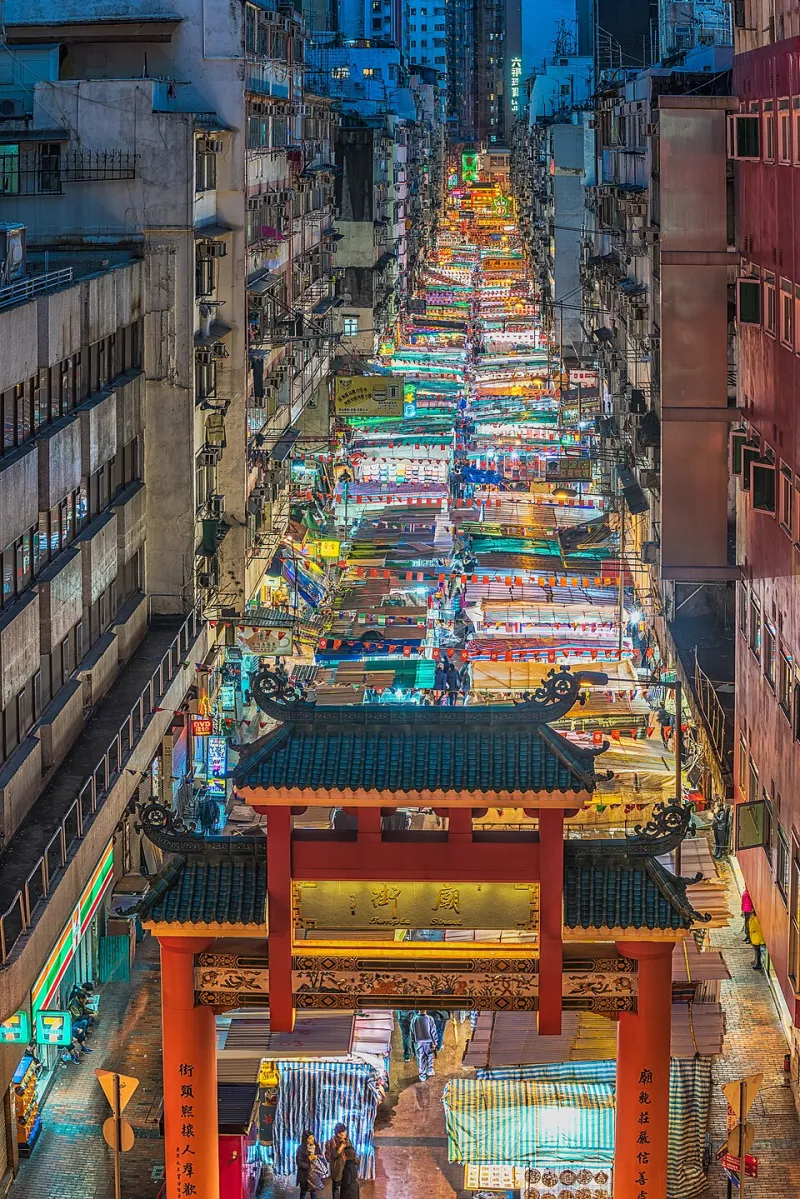
Asian food culture never operated that way. Late-night eating in much of Asia is inherently social: the congee shop after a concert, the Korean fried chicken run at 1 a.m., the night market as the evening's actual destination. When immigrants brought the food, they brought the hours too.
More Than a Meal
Talk to the owners keeping these kitchens lit and a theme emerges immediately: they know their regulars' lives. The bakery owner in Atlanta can tell you which customer just got divorced, which one's kid just left for college, who needs a table in the back and a little extra time. Sociologists call this a third place — the spot that's neither home nor work, where community actually gets built. Most of America's are gone. These places never closed.
The Korean corner store that stays open until 2 a.m. isn't just selling instant ramyeon and banana milk. It's the only lit doorway in the neighborhood where a rideshare driver, a bartender, and a hospital tech might all stand around at the same counter, becoming, over months, something like acquaintances.
Why It's Spreading
The economics are part of it — late hours capture the service industry workers, the gig drivers, the students, everyone the 9-to-5 food economy forgets. But the cultural pull is stronger. Non-Asian customers are discovering that a bowl of noodles at midnight feels completely different from a burger in a drive-through lane. You sit. You warm up. You linger.
Some of these spots have become de facto community centers. Bulletin boards, holiday dumpling sales, a table in the corner that's unofficially reserved for the regulars. You can't order that on an app.
Go While the Lights Are On
If there's a call to action buried in all of this, it's simple: these businesses survive on the night crowd showing up. Find the Chinese bakery open past eleven in your city. Learn the late-night noodle place's rhythm. Become a regular — the kind they recognize.
America doesn't need more places to eat. It needs more places to be. Right now, a lot of them are run by families who never stopped believing that no one should have to be alone with a hunger at midnight.