The Mic Moves In: How Home Karaoke Is Teaching America to Sing Badly Together
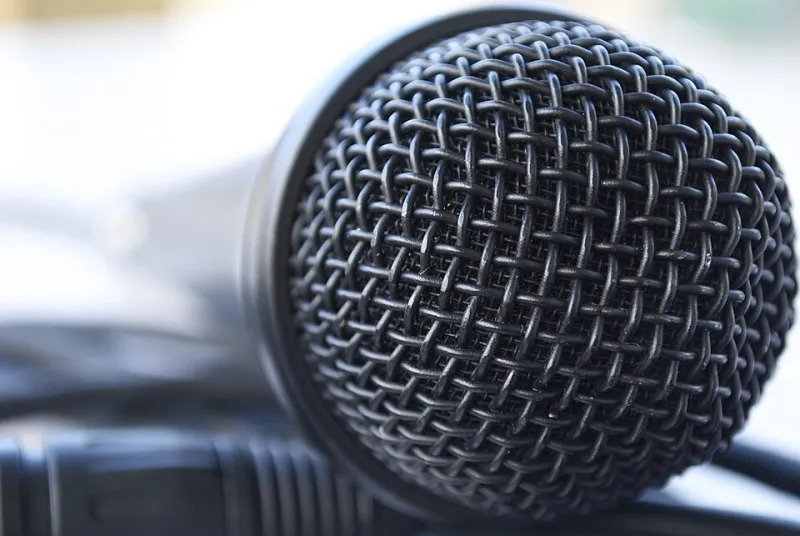
Photo: Derek Gavey from Medicine Hat, Canada, CC BY 2.0, via Wikimedia Commons
There's a machine in a rec room in Frisco, Texas, that cost more than the family's first TV. Two wireless microphones, a speaker tower, a touchscreen loaded with forty thousand songs. The family that owns it isn't Chinese, Korean, or Filipino. They discovered karaoke at a wedding in 2022, bought a system six months later, and now host a monthly sing-along the neighbors plan their calendars around.
They're not alone. Across the country, karaoke is migrating out of Chinatown private rooms and into the mainstream American home — and the reason it's sticking says a lot about what we're all starving for.
The Anti-Performance Performance
America has a complicated relationship with being watched. We grew up on talent competitions that humiliated the tone-deaf, on recitals where you practiced for months for three minutes of judgment, on a social media economy where every post is a audition you didn't ask to give.
Karaoke, in the Asian tradition it came from, is the opposite of all of that. The point was never the singing. In a Korean noraebang or a Chinese KTV lounge, the room is small, the lights are low, the tambourine is passed around, and nobody remembers who was flat on the chorus. What gets remembered is that Uncle Ray did the whole Bruce Springsteen song with his eyes closed and everyone screamed the hook anyway.
That distinction — participation over performance — is exactly what's winning over American converts.
From K-Town to Cul-de-Sac
The infrastructure tells the story. Private-room karaoke lounges, once clustered almost exclusively in Asian American enclaves, are showing up in strip malls in Ohio and Arizona, owned by and marketed to people with no personal connection to the tradition. At-home systems have followed: affordable all-in-one machines now rank among the top-selling gifts in the home entertainment category, and karaoke apps have normalized the idea that a Tuesday night warble in your kitchen is a legitimate activity.
Something shifts when the mic comes out at a party. The dynamic inverts. Suddenly the most confident person in the room and the most anxious one are doing the same thing — holding a piece of plastic, reading words off a screen, hoping for the best. There's no audience and no stage, just a circle.
What the Imperfection Is For
Ask anyone who grew up with karaoke what it's actually for, and the answer is rarely music. It's permission. Singing badly in front of people you love is a low-stakes rehearsal for being seen as imperfect — a skill Americans, raised on highlight reels and LinkedIn polish, are conspicuously bad at.
There's a mindfulness angle hiding in here, too. When you're mid-chorus, you cannot check your phone. You cannot curate. You're just a body making sound with other bodies making sound, which is essentially what every meditation app is trying to sell you in a much less fun format.
Building the Ritual
The families making karaoke a habit — rather than a birthday-party novelty — tend to follow a pattern borrowed directly from Asian households: frequency over occasion. A Friday night session. A standing duet with a teenager who pretends to be embarrassed. A songbook that grows over the years until certain songs belong to certain people.
That's the real inheritance here. Not the machines, not the apps, but the idea that joy doesn't have to be earned through skill. You can just be bad at something, together, on purpose, every week.
The mic is waiting. Nobody's keeping score.