Batch, Layer, Balance: How Asian Kitchen Wisdom Is Saving the American Weeknight
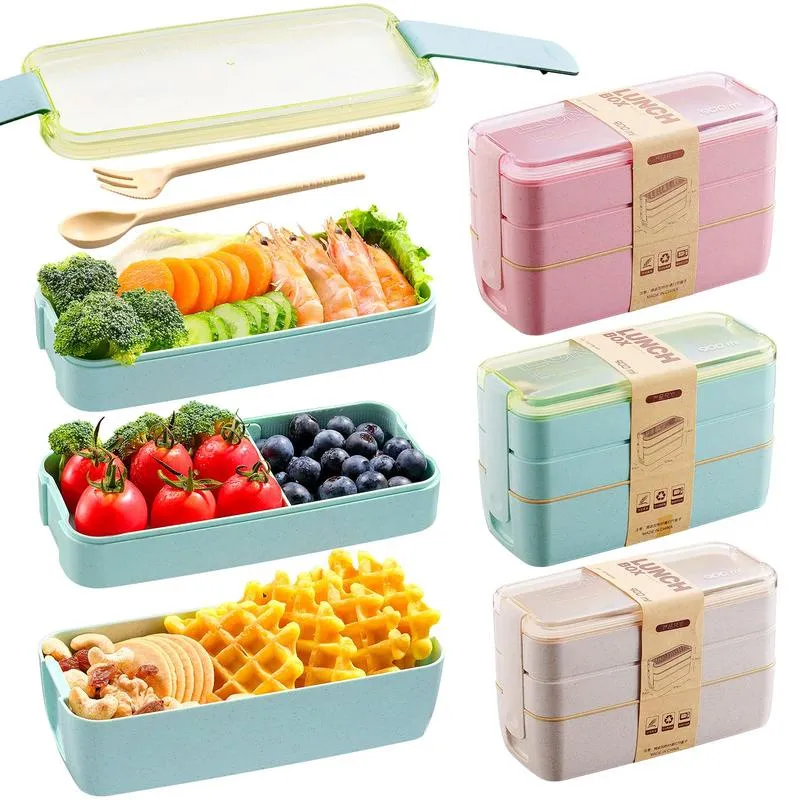
Photo: Asian meal prep containers bento banchan Korean Japanese food organized kitchen, via down-ph.img.susercontent.com
It's 6:30 on a Tuesday. You just got off a back-to-back Zoom marathon, the dog needs walking, and dinner is supposed to materialize in the next 45 minutes. For millions of Americans, this is when the DoorDash app opens almost on autopilot. But a growing number of people are closing that app — and opening their refrigerators instead, to find rows of neatly portioned containers already waiting for them.
The secret? They spent a couple of focused hours on Sunday cooking the Asian way.
What "Asian Meal Prep" Actually Means
Let's be clear: this isn't about making a giant pot of brown rice and calling it a week. The approach being adopted by nutritionists and home cooks across the U.S. is rooted in something much more nuanced — a philosophy that treats ingredients as building blocks rather than finished dishes.
Take the Japanese bento tradition. At its core, bento isn't just a cute lunchbox aesthetic. It's a system of deliberate portioning that balances protein, vegetable, starch, and fermented or pickled elements in a single meal. "The bento framework is basically a nutritional template that's been refined over centuries," says registered dietitian Maya Tanaka, who runs a nutrition consulting practice in Portland, Oregon. "When I started teaching my clients to think in bento terms, they stopped obsessing over macros and started actually enjoying what they were eating."
Then there's the Korean banchan model — those small, endlessly varied side dishes that surround a bowl of rice at a traditional Korean table. The beauty of banchan is that they're made in bulk and served across multiple meals throughout the week. Spinach seasoned with sesame oil, braised black beans, spicy fermented cucumber — each dish takes maybe 15 minutes to make, but together they create a week's worth of variety without repetitive cooking.
"My mom never thought of it as 'meal prep,'" laughs Ji-Yeon Park, a Korean American food entrepreneur based in Atlanta who runs a popular meal prep workshop series called Banchan & Beyond. "She just cooked. But looking back, she was basically running a one-woman meal prep operation every weekend. We never had a boring or unbalanced dinner."
The TCM Angle: Eating for Energy, Not Just Calories
Where Western meal prep culture tends to fixate on calorie counts and protein grams, the Asian approach — particularly when filtered through Traditional Chinese Medicine principles — thinks about food in terms of energetic properties and seasonal alignment.
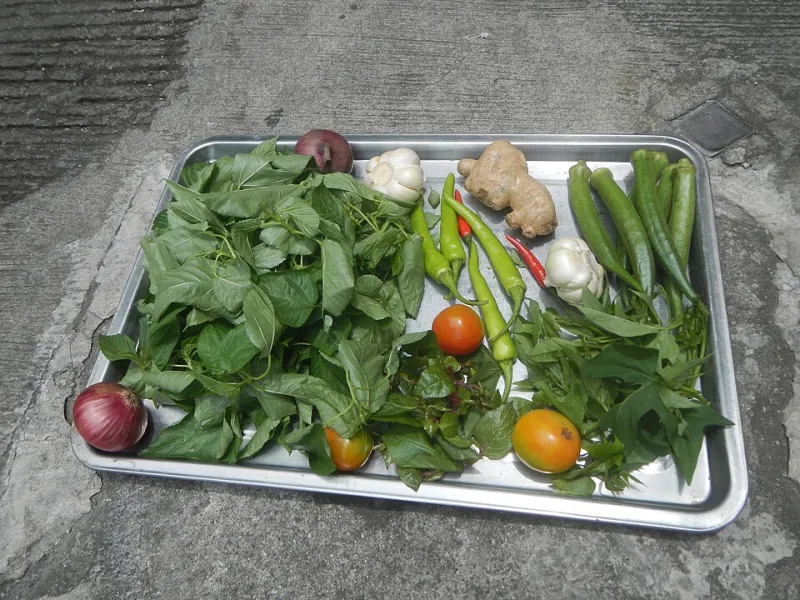
In TCM, foods are categorized by their warming or cooling nature, their effect on specific organ systems, and their role in maintaining the body's internal balance. A meal isn't just fuel; it's a form of daily medicine. Ginger warms the stomach and supports digestion. Mung beans cool inflammation. Dark leafy greens nourish the liver. Bone broth, long before it became a Brooklyn wellness trend, was a staple of Chinese grandmothers' kitchens for its ability to support joints and gut health.
Los Angeles-based nutritionist Dr. Linda Wei has been integrating TCM food philosophy into her practice for over a decade. She sees a real hunger among her American clients for something beyond the latest diet trend. "People are exhausted by restriction," she says. "TCM doesn't tell you to cut out food groups. It tells you to pay attention to what your body needs in this season, at this stage of life. That resonates with people who are tired of the all-or-nothing approach."
Dr. Wei now offers a weekend workshop she calls "Seasonal Prep," where participants learn to batch-cook according to the current TCM season — warming soups and roasted root vegetables in late fall, lighter grain salads and cooling herbs as summer approaches. The workshops sell out consistently.
Fitting Ancient Practices Into a Modern American Life
Of course, not everyone has the luxury of a full Sunday afternoon in the kitchen. That's where the adaptation gets creative.
Food blogger and working mom Priya Srinivasan, who writes about South and East Asian cooking for a predominantly American audience, has developed what she calls the "anchor ingredient" method — a technique inspired by the Japanese concept of using a single well-prepared component across multiple meals. "I'll make a big batch of miso-glazed eggplant on Sunday," she explains. "Monday it goes over rice. Tuesday it's folded into a grain bowl with whatever vegetables I have. Wednesday it becomes a taco filling with some quick-pickled onions. Same prep, three completely different meals."
This kind of ingredient layering is fundamentally different from the Western meal prep model, which often produces seven identical containers of the same dish — a setup that's efficient but monotonous. The Asian approach prizes variety within economy, a principle that maps surprisingly well onto the reality of busy American households.
Even major food brands are taking notice. Several meal kit companies have recently launched "Asian-inspired" prep boxes that emphasize component cooking over complete recipes. And grocery stores in cities with large Asian American populations — H Mart, 99 Ranch, Mitsuwa — have seen a noticeable uptick in non-Asian shoppers specifically seeking out fermented condiments, dried mushrooms, and specialty grains that form the backbone of this cooking style.
The Takeout Trap and the Real Cost of Convenience
Americans spend more on food delivery than nearly any other country in the world. The average U.S. household drops somewhere between $1,500 and $2,000 a year on takeout and delivery — numbers that spiked during the pandemic and haven't fully come back down. And while there's absolutely nothing wrong with ordering in, the frequency with which Americans are doing it often has less to do with genuine preference and more to do with the absence of a viable weeknight cooking system.
That's precisely the gap that Asian meal prep culture fills. It's not asking you to become a chef. It's offering a framework — a way of thinking about food preparation that distributes the effort intelligently, builds in nutritional variety almost automatically, and leaves you with options rather than obligations on a Tuesday night.
"The biggest shift I see in my clients," says Maya Tanaka, "is when they stop thinking about cooking a dinner and start thinking about building a week. That mental switch changes everything."
Maybe it's time more of us made it.