Stock Your Pantry Like a Healer: The Asian Medicinal Ingredients Busy Americans Are Cooking With Every Day
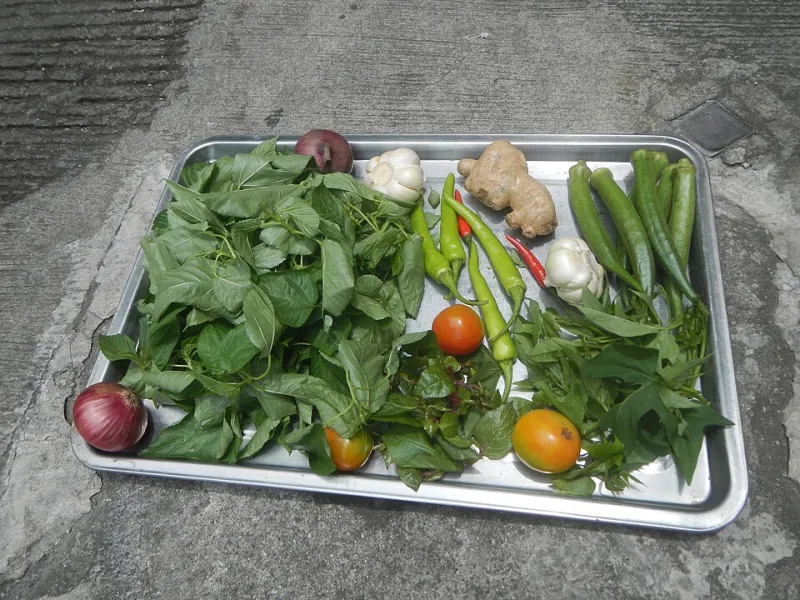
Photo: Judgefloro, CC0, via Wikimedia Commons
Somewhere between the overpriced wellness shots at the juice bar and the wall of confusing supplements at Whole Foods, a quieter revolution has been simmering — literally — on American stovetops.
Increasing numbers of home cooks, many of them busy professionals with zero time for elaborate rituals, are turning to traditional Asian medicinal ingredients to do what a cabinet full of capsules promises but rarely delivers: real, sustained support for how they feel day to day. Better sleep. Sharper focus. A immune system that doesn't collapse every time someone sneezes near them on the subway.
The good news? Most of these ingredients are available at any Asian grocery store, many are showing up in mainstream supermarkets, and they work best when you just... cook with them. No blender required.
Why Food, Not Pills
Traditional Chinese Medicine (TCM) and Ayurvedic practice share a foundational premise that Western nutritional science is increasingly validating: food is information. The compounds in whole ingredients interact with your body in complex, synergistic ways that isolated extracts in a capsule often can't replicate.
"When you eat reishi mushroom in a broth, you're getting the beta-glucans, yes, but you're also getting fiber, trace minerals, and the thermal effect of warm liquid — all of which compound the benefit," explains registered dietitian and TCM-informed nutritionist Angela Soo, based in Los Angeles. "A supplement gives you one variable. Food gives you a whole conversation."
That conversation, it turns out, is one a lot of Americans are ready to have.
The Ingredients Worth Knowing
Reishi Mushroom (Ganoderma lucidum)
Called the "mushroom of immortality" in Chinese tradition, reishi has been used for over two thousand years to support immune function and reduce stress. Modern research backs up the hype: studies have shown reishi contains compounds that modulate immune response and may support better sleep quality by influencing the nervous system.
In the kitchen, dried reishi is quite bitter and woody — not something you'd eat whole. But simmered into broths, soups, or teas for 30 to 45 minutes, it imparts a deep, earthy undertone and releases its active compounds into the liquid. A simple reishi and ginger bone broth is one of the easiest entry points: just add a few dried slices to your usual stock pot and let time do the work.
Where to find it: Most Asian grocery stores carry dried reishi. Online retailers like Nuts.com and Amazon also stock it. Look for whole slices rather than powder for cooking purposes.
Turmeric (Curcuma longa)
Yes, turmeric is everywhere now — but it earned its place. Used for millennia in both Chinese and Ayurvedic medicine, its active compound curcumin is one of the most studied anti-inflammatory agents in nutritional science. The catch most people miss: curcumin is fat-soluble and poorly absorbed on its own. Cooking it in oil, or pairing it with black pepper (which contains piperine, a bioavailability booster), dramatically increases how much your body actually uses.
Fresh turmeric root — increasingly available at Trader Joe's and Whole Foods — has a brighter, slightly more citrusy flavor than the dried powder. Grate it into stir-fries, blend it into a coconut milk soup base, or steep it with ginger and honey for a late-night drink that genuinely helps you wind down.
Quick recipe: Turmeric Golden Congee. Cook rice porridge low and slow with chicken broth, a thumb of fresh turmeric, ginger, and a drizzle of sesame oil. Top with a soft-boiled egg and scallions. Takes about 40 minutes, serves as breakfast or a light dinner, and covers immune support, gut comfort, and sustained energy in a single bowl.
Angelica Root (Dang Gui)
Less familiar to mainstream American cooks but worth the learning curve, angelica root (known in TCM as dang gui) is often described as a blood tonic — used traditionally to support circulation, hormonal balance, and energy levels, particularly in women. Its flavor is warm and slightly sweet, reminiscent of celery and anise.
"I recommend dang gui to clients who are dealing with fatigue and hormonal fluctuation," says Angela Soo. "In cooking, it works beautifully in slow-braised dishes — think a herbal chicken soup with red dates and goji berries. It's not something you taste loudly; it just rounds everything out."
Find it at Chinese herbal medicine shops or online through suppliers like Starwest Botanicals. A small amount goes a long way — two or three slices in a pot of soup is plenty.
Goji Berries (Wolfberries)
Goji berries have gone from obscure TCM staple to acai bowl garnish in about a decade, but their medicinal reputation predates the wellness industry by centuries. Rich in antioxidants and traditionally used to support eye health and liver function, they're one of the most accessible entry points in this whole category.
Dried goji berries are sweet-tart and work in both savory and sweet applications. Toss them into oatmeal, simmer them into rice dishes, or add a small handful to a chicken soup in the last ten minutes of cooking. They soften beautifully and add a gentle sweetness that kids often love.
Building a Medicinal Pantry Without Overwhelm
The biggest mistake people make is trying to overhaul everything at once. Angela Soo's advice to her clients is simple: start with two or three ingredients that address your most pressing concern, and cook with them consistently for a month before adding anything new.
For immune support: reishi broth and turmeric in cooking oil. For better sleep: reishi tea in the evening, turmeric golden milk. For sustained energy and hormonal balance: dang gui chicken soup, goji berries in breakfast foods.
Most of these ingredients are shelf-stable for months, which makes them ideal for busy households. You're not committing to a daily smoothie ritual — you're just shifting what goes into the pot you were already making.
The Science Catches Up to the Kitchen
Researchers at institutions including UCLA and the National Institutes of Health have published studies in recent years examining the bioactive compounds in traditional Asian medicinal plants. The consensus is cautiously but genuinely optimistic: many of these ingredients demonstrate measurable effects on inflammation, immune markers, and neurological function.
What the science also confirms, again and again, is that whole-food delivery outperforms isolated supplementation for most of these compounds. Which is, of course, exactly what traditional cooks have known for generations.
"My grandmother never called it medicine," says Angela Soo. "She just called it dinner. That's really the whole point."
Maybe it's time the rest of us caught up.