Scrolling Back in Time: How Young Americans Are Using Digital Tools to Uncover Their Asian Roots
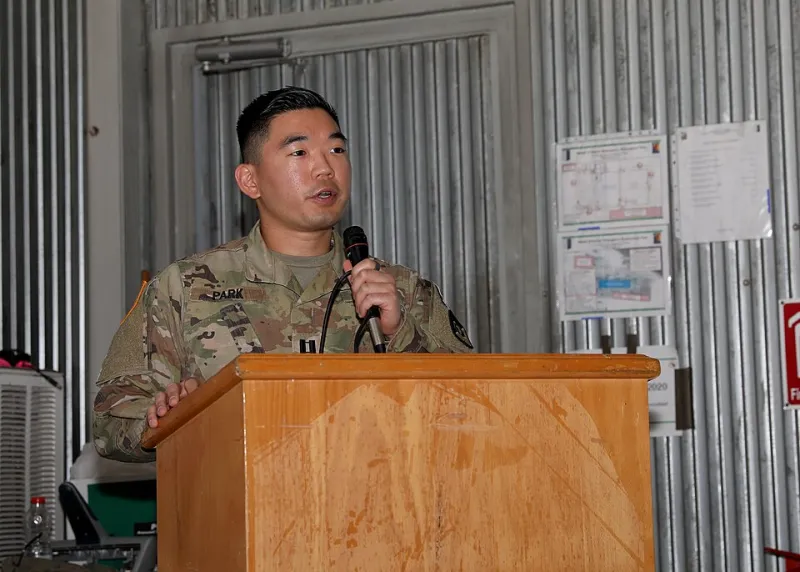
Photo: U.S. Army photo by Sgt. 1st Class Warren Wright, Public domain, via Wikimedia Commons
The Question Nobody Asked Out Loud
For Maya Chen, it started with a box of old photographs her grandmother left behind. Faded images, no names written on the back, a village she couldn't identify. Maya is 24, grew up in Sacramento, and describes herself as "culturally Chinese in the way that means you know the food but not the language." Last year, she downloaded a Chinese genealogy app on a whim. Eight months later, she'd traced her family line back six generations and connected with distant relatives she didn't know existed, living in Fujian province.
"It felt like finding a part of myself I didn't know was missing," she says.
Maya's story isn't unusual anymore. Across the United States, a quiet but emotionally charged movement is growing among Gen Z Americans — particularly those with Asian heritage, but increasingly those without it — who are using digital tools to excavate family history and rebuild connections to cultures that immigration, assimilation, and time had buried.
The Tech Making It Possible
The tools driving this movement are more sophisticated than most Americans realize. Chinese genealogy platforms like Jiapu365 and the digital archives maintained by organizations such as the Genealogical Society of Utah (which has digitized millions of Chinese historical records) have made it possible to search family trees that were previously locked in physical clan books stored in ancestral villages.
DNA services like 23andMe and AncestryDNA have long been popular in the US, but newer platforms are offering more granular ethnic breakdowns that resonate specifically with Asian-American users who want more than a broad "East Asian" category. Some services now distinguish between regional Chinese populations, offering results that can narrow a family's likely geographic origin to a specific province or even prefecture.
On the app side, platforms designed for the Chinese domestic market — where genealogy has deep cultural roots tied to Confucian ancestor veneration — are increasingly accessible to overseas users. Several now offer English-language interfaces or have diaspora-specific features that allow overseas Chinese families to connect their records with mainland relatives who may have maintained the family genealogy through generations of political upheaval.
Why Gen Z Is Leading This
It might seem counterintuitive that a generation raised on TikTok and instant gratification would be drawn to something as slow and painstaking as genealogical research. But therapists and cultural identity researchers who work with young Asian Americans say the timing makes complete sense.
Gen Z came of age during a period of heightened anti-Asian sentiment in the US, particularly during and after the pandemic. For many young Asian Americans, that experience created a powerful hunger to understand and claim their heritage more explicitly — not just as a defensive response, but as an act of affirmation. Knowing where you come from, in granular detail, is a form of psychological grounding.
There's also the intergenerational silence factor. Many Asian immigrant families of the mid-20th century deliberately discouraged their American-born children from dwelling on the past. Assimilation was survival. The result is that a significant number of today's twenty-somethings grew up knowing almost nothing about their family history beyond a generation or two. The digital tools now available let them go around that silence, reaching back further than their parents or grandparents ever talked about.
Not Just for Asian Americans
One of the more surprising dimensions of this trend is how many non-Asian Americans are participating. Genealogy has always had cross-cultural appeal, but Chinese genealogical databases — which are among the most comprehensive in the world due to China's long tradition of clan record-keeping — are drawing researchers of all backgrounds.
Some are Americans who discover through DNA testing that they have Chinese or broader Asian ancestry they never knew about, a result of historical migration patterns, adoption, and the complexity of multiracial family histories. Others are professional genealogists or history enthusiasts who find Chinese archival records invaluable for piecing together stories that cross borders and centuries.
The emotional experience, interestingly, tends to be similar regardless of background: a sense of connection to something larger than individual life, and a humbling awareness of how many people had to survive for any one of us to exist.
The Storytelling That Follows
What's particularly compelling about this trend is what people do with what they find. This isn't just data collection. Discovery leads to storytelling.
Young Americans who uncover their family histories are turning them into TikTok series, podcast episodes, illustrated zines, and family reunion presentations. They're interviewing elderly relatives with new urgency, suddenly armed with specific questions instead of vague curiosity. They're creating bilingual family history books for grandparents who never expected their grandchildren to care.
This grassroots storytelling movement is doing something important: it's creating a living archive of immigrant and diaspora experience that official history often overlooks. The story of a family that left Guangdong in 1920, passed through Angel Island, settled in San Francisco's Chinatown, and eventually scattered across the American suburbs — that story deserves to be told. And now, finally, the tools exist to tell it.
What It Actually Feels Like
Ask anyone who's gone deep into this kind of research and they'll describe a specific emotional texture: equal parts grief, wonder, and something that doesn't quite have an English word. The Japanese concept of mono no aware — the bittersweet awareness of impermanence — comes close. You're meeting people you'll never meet, understanding lives you'll never live, and feeling connected to a thread of humanity that runs much deeper than your own memories.
For Gen Z Americans navigating questions of identity in a complex, fragmented cultural moment, that feeling turns out to be profoundly healing.
Sometimes the algorithm leads you somewhere worth going. And sometimes, scrolling back through time is the most meaningful thing a screen can help you do.